Bjørndalen
A quiet valley just outside Longyearbyen, where the mining past lingers in silence and wildlife roams at the pace of nature
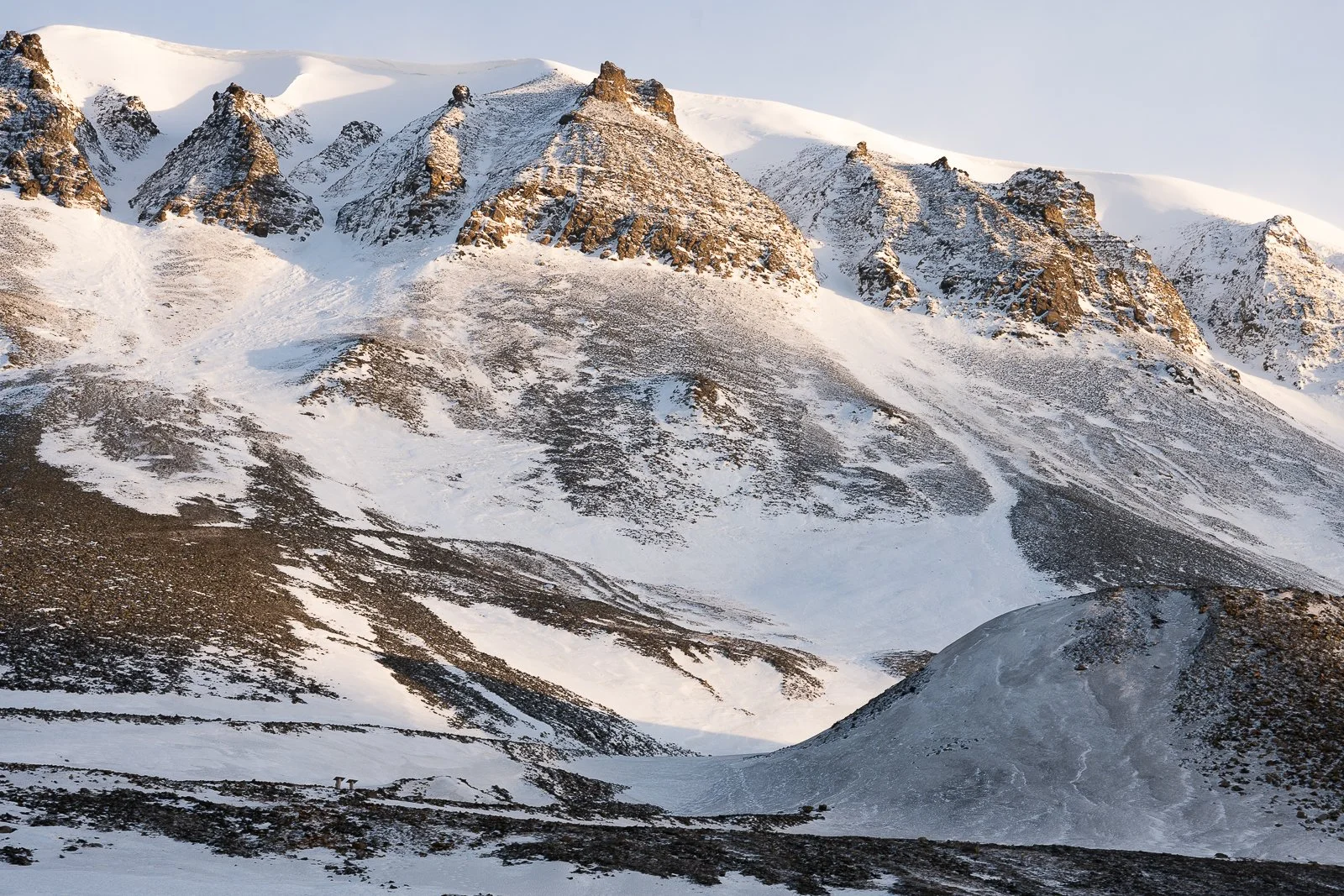
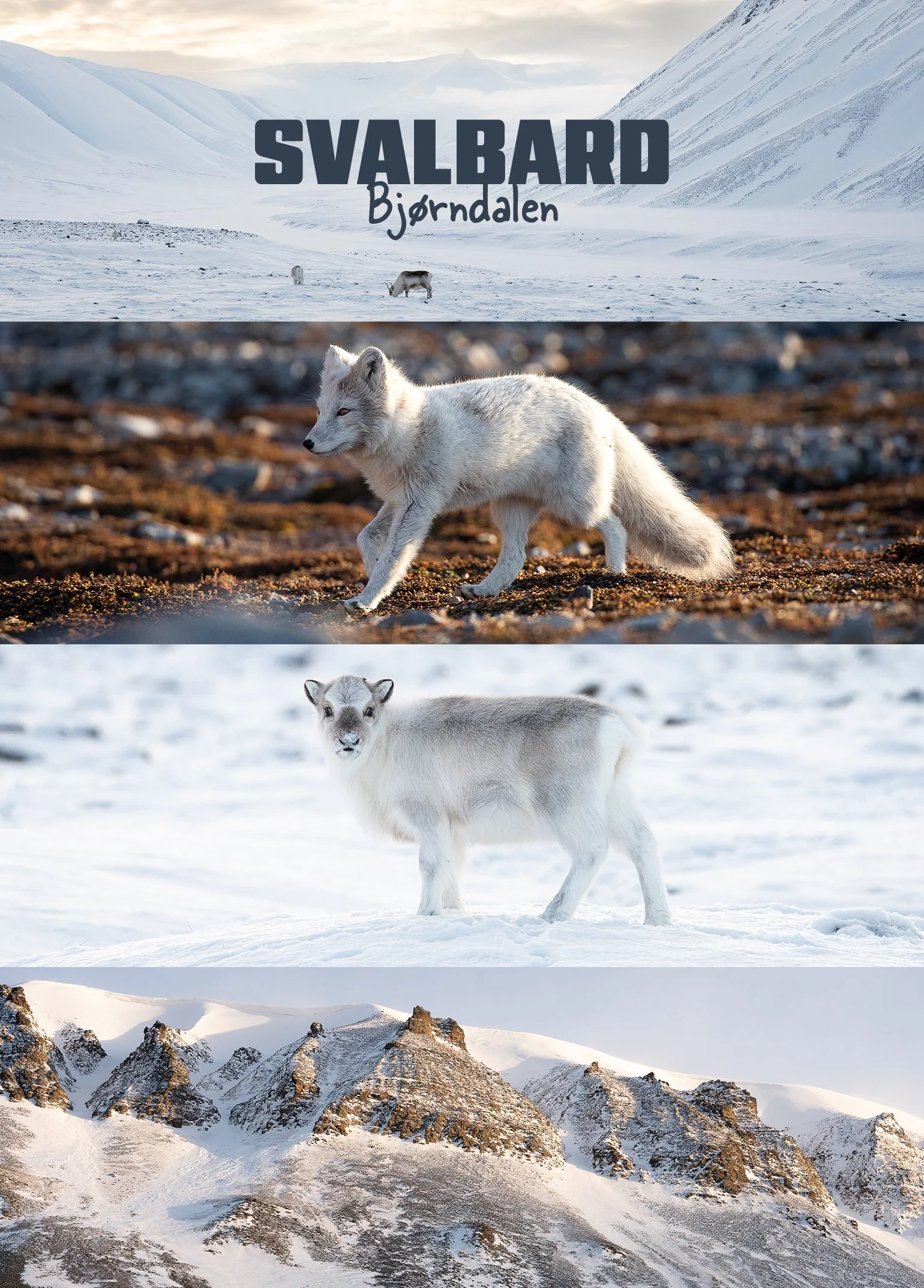
Follow the road south from Longyearbyen, past the airport, and the mountains close in around a narrower valley: Bjørndalen, "Bear Valley". Its slopes rise steeply on both sides, textured with the layered sedimentary rock so characteristic of central Spitsbergen: dark bands of shale and sandstone stacked like the pages of a very old book, each one a record of a warmer, wetter world that existed here tens of millions of years ago.
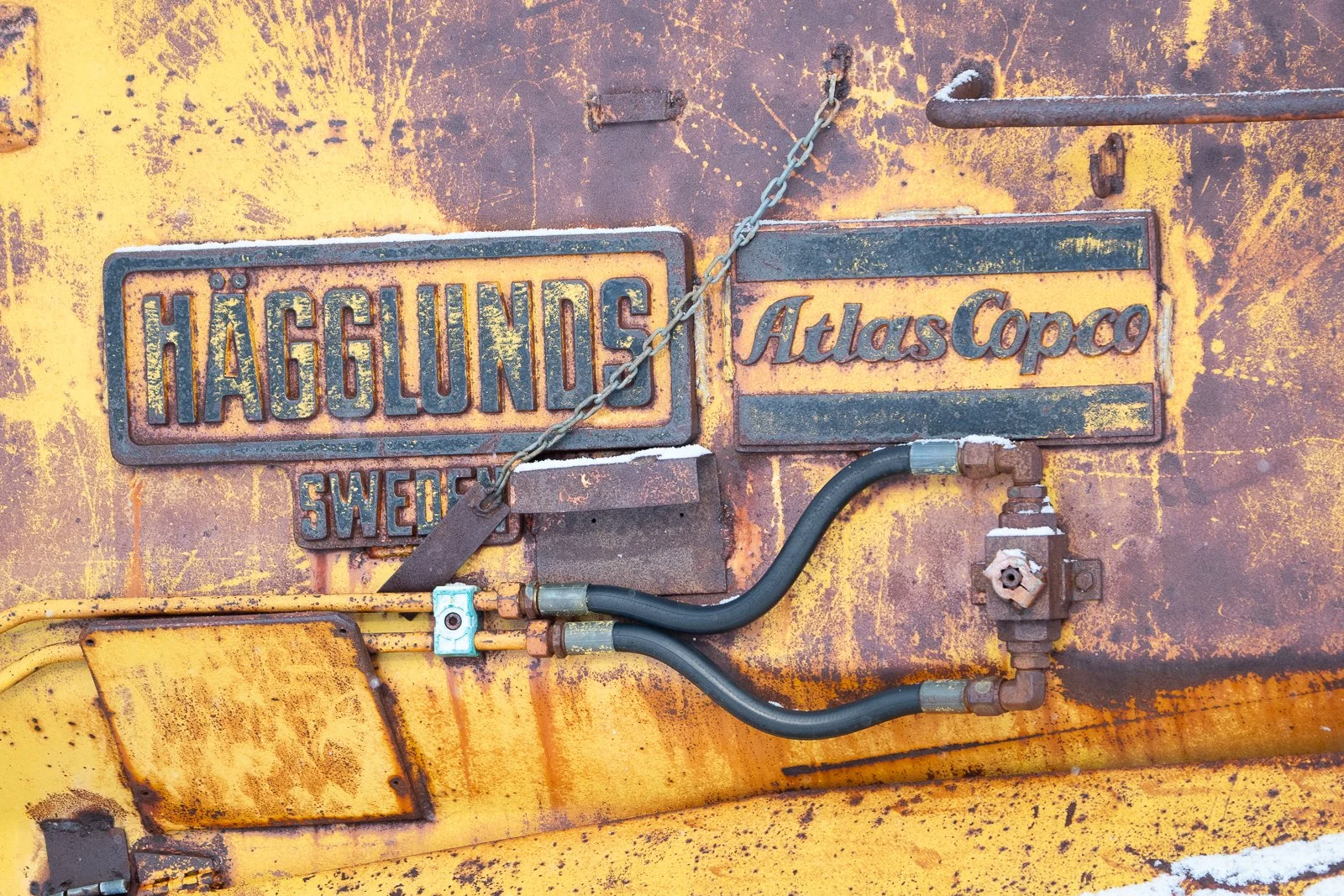
Coal drew people to this valley just as it did across the rest of the region. Old mining structures and the remains of infrastructure still stand here, weathered by decades of wind and snow, a reminder that almost every accessible valley around Longyearbyen once had some role to play in Svalbard's coal industry. Bjørndalen's operations belong to the past, and nature has slowly been reclaiming the ground around them.
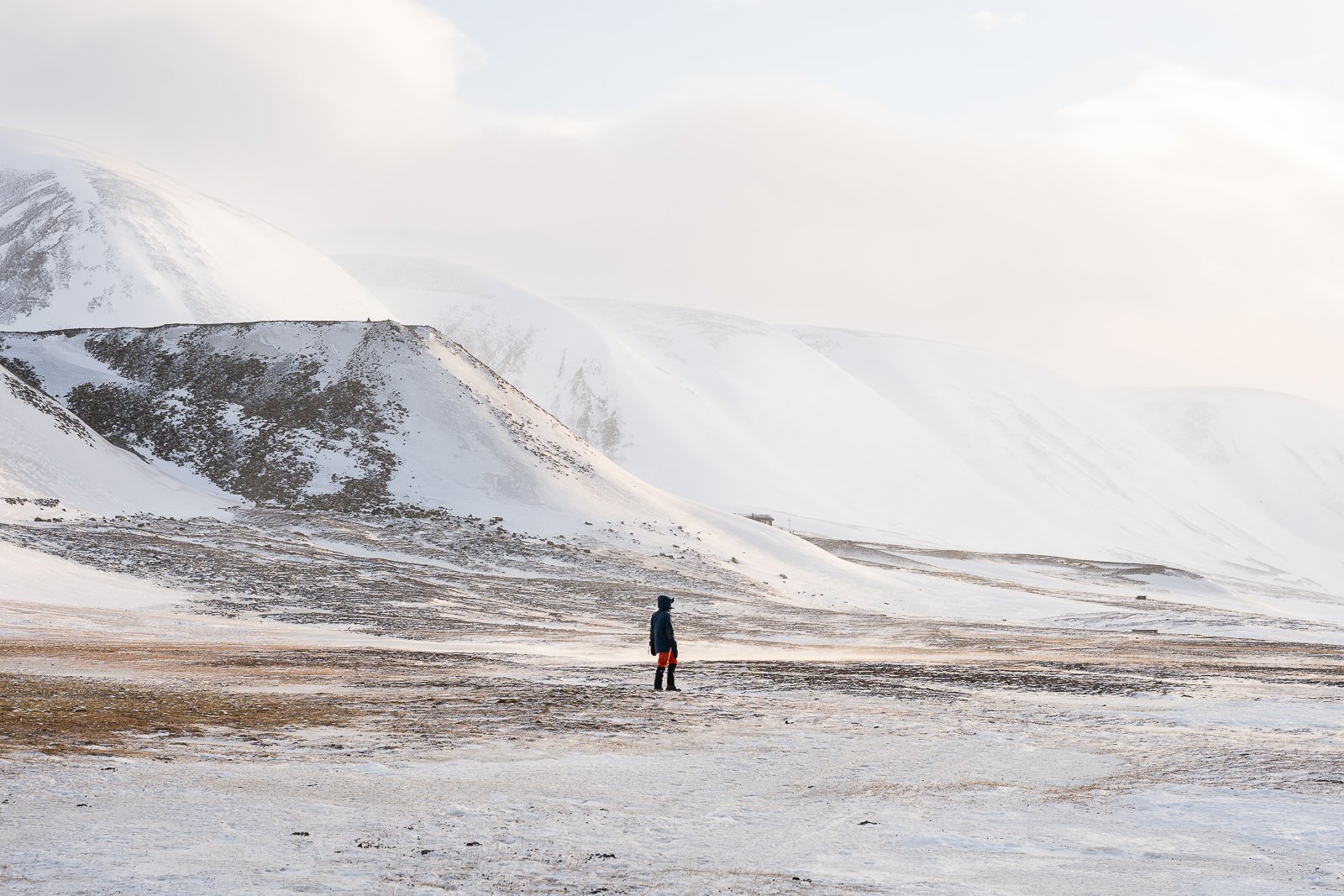
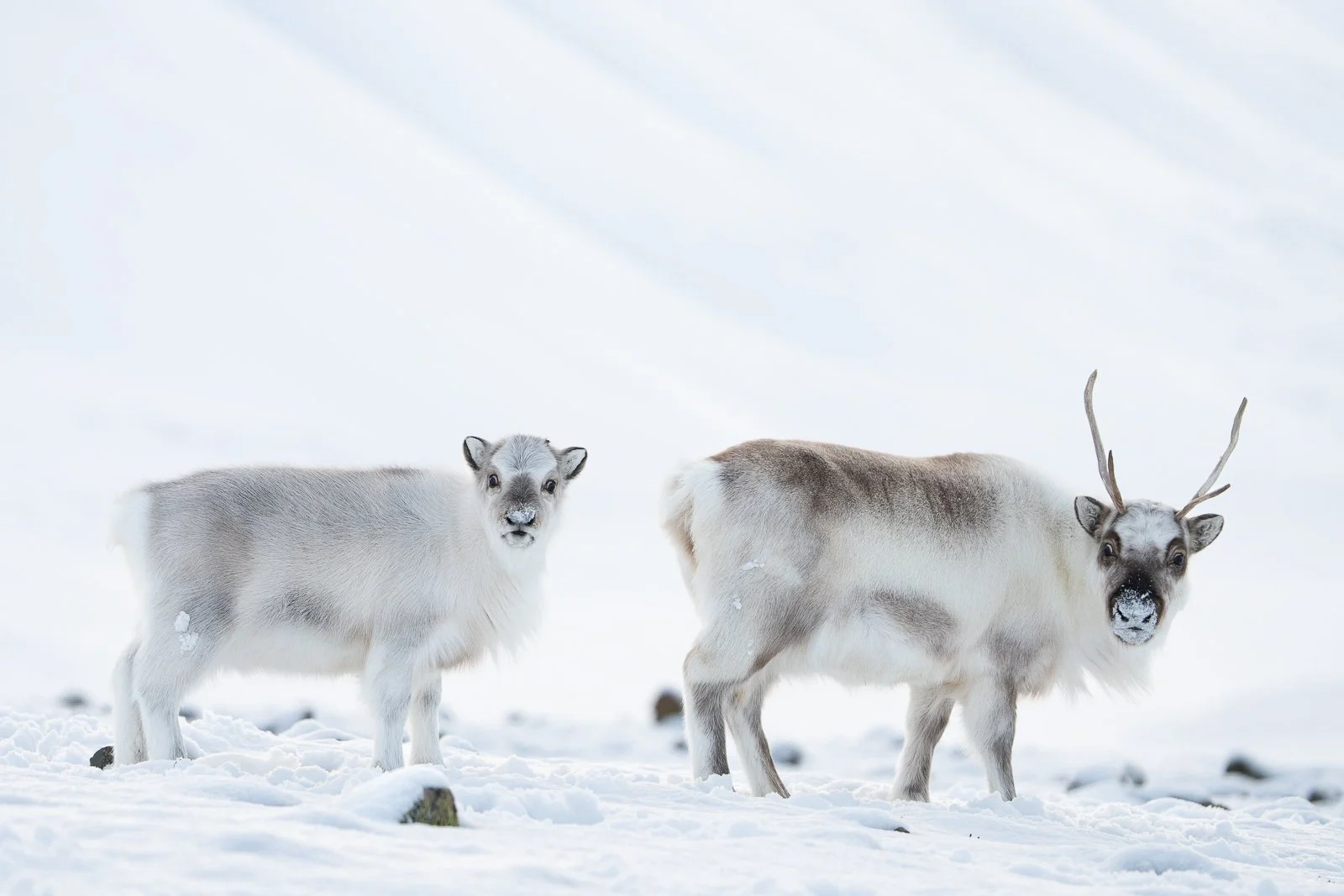
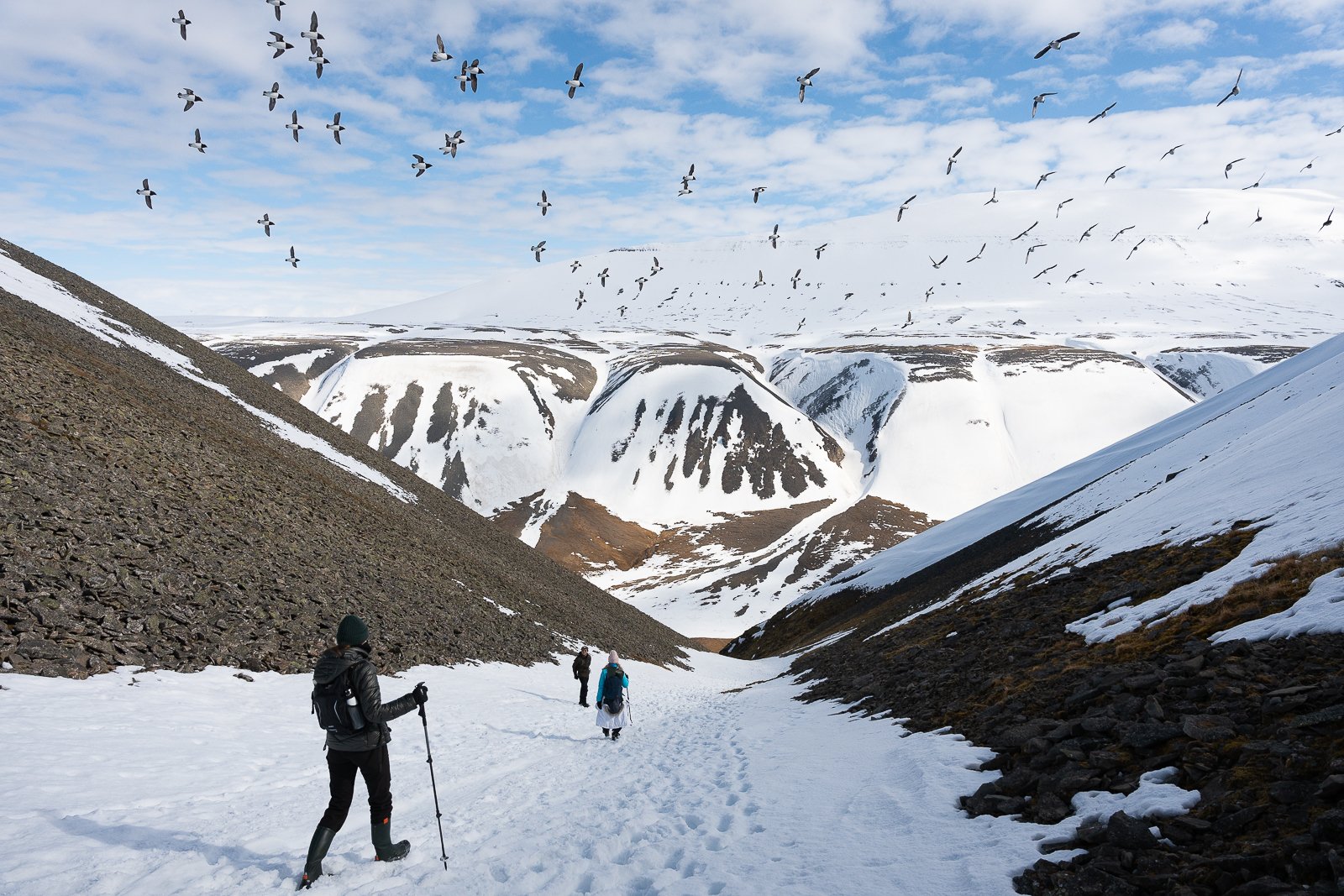
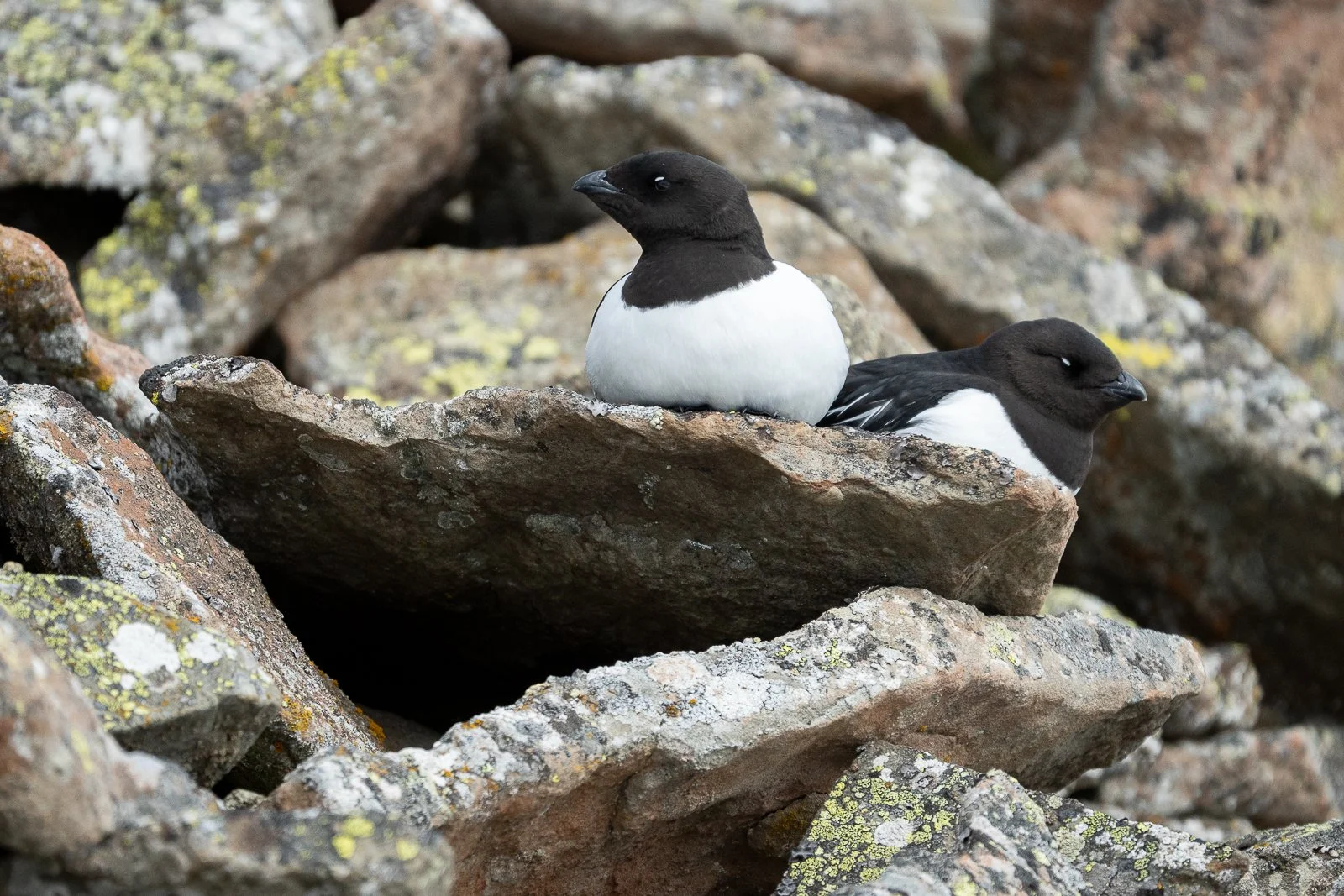
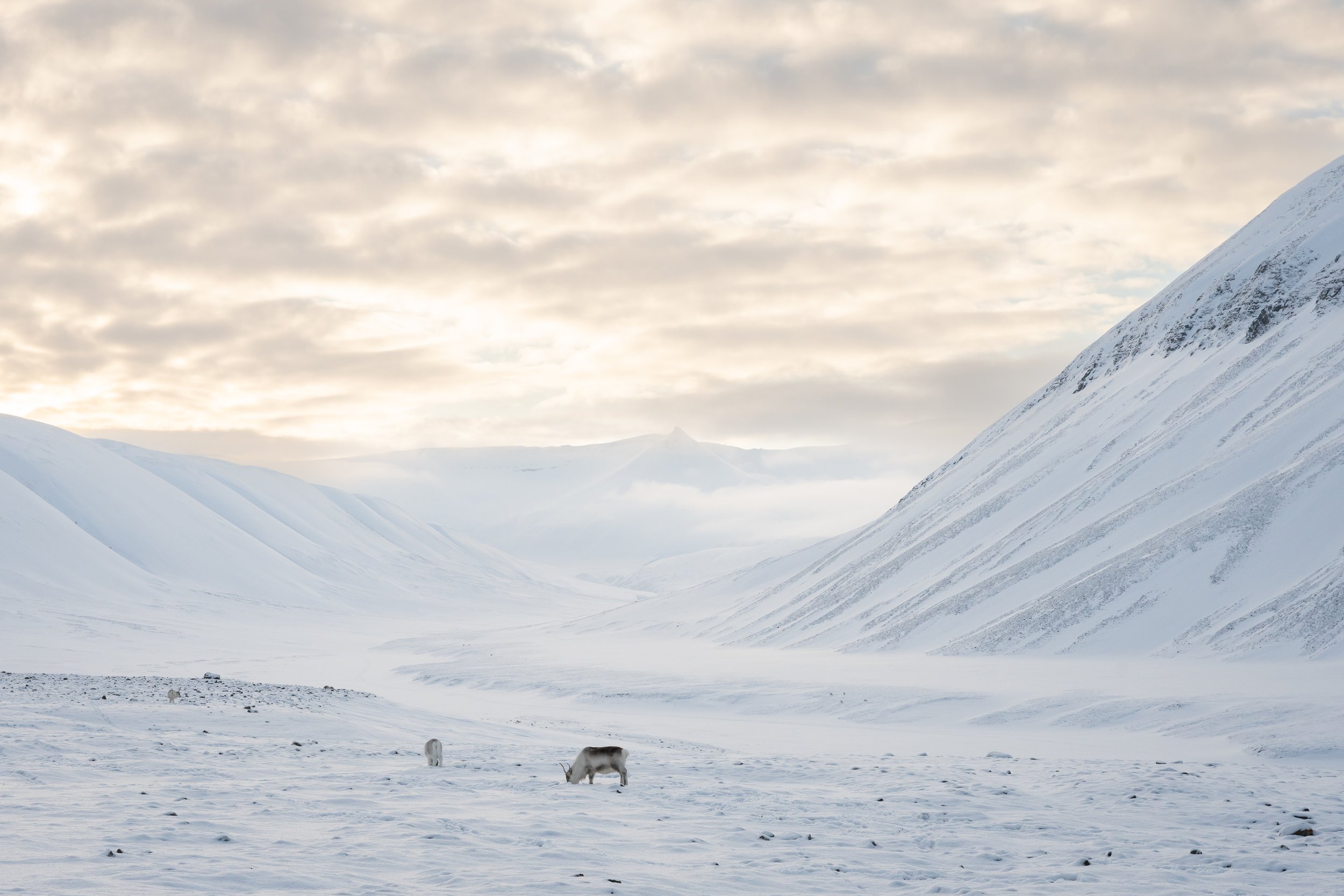
Bjørndalen sits close enough to Longyearbyen to reach on foot or by bike, yet far enough from the town's daily traffic to feel genuinely wild. In winter and summer, Svalbard reindeer graze unbothered on the valley floor, working through patches of tundra vegetation at a pace that suggests they have never needed to hurry. During the summer, Arctic foxes cross the slopes on their endless patrol for carrion and eggs; a colony of little auks sits on the northern side of the valley, and their " laughter " echoes. This is the smallest and most numerous seabird of Svalbard.

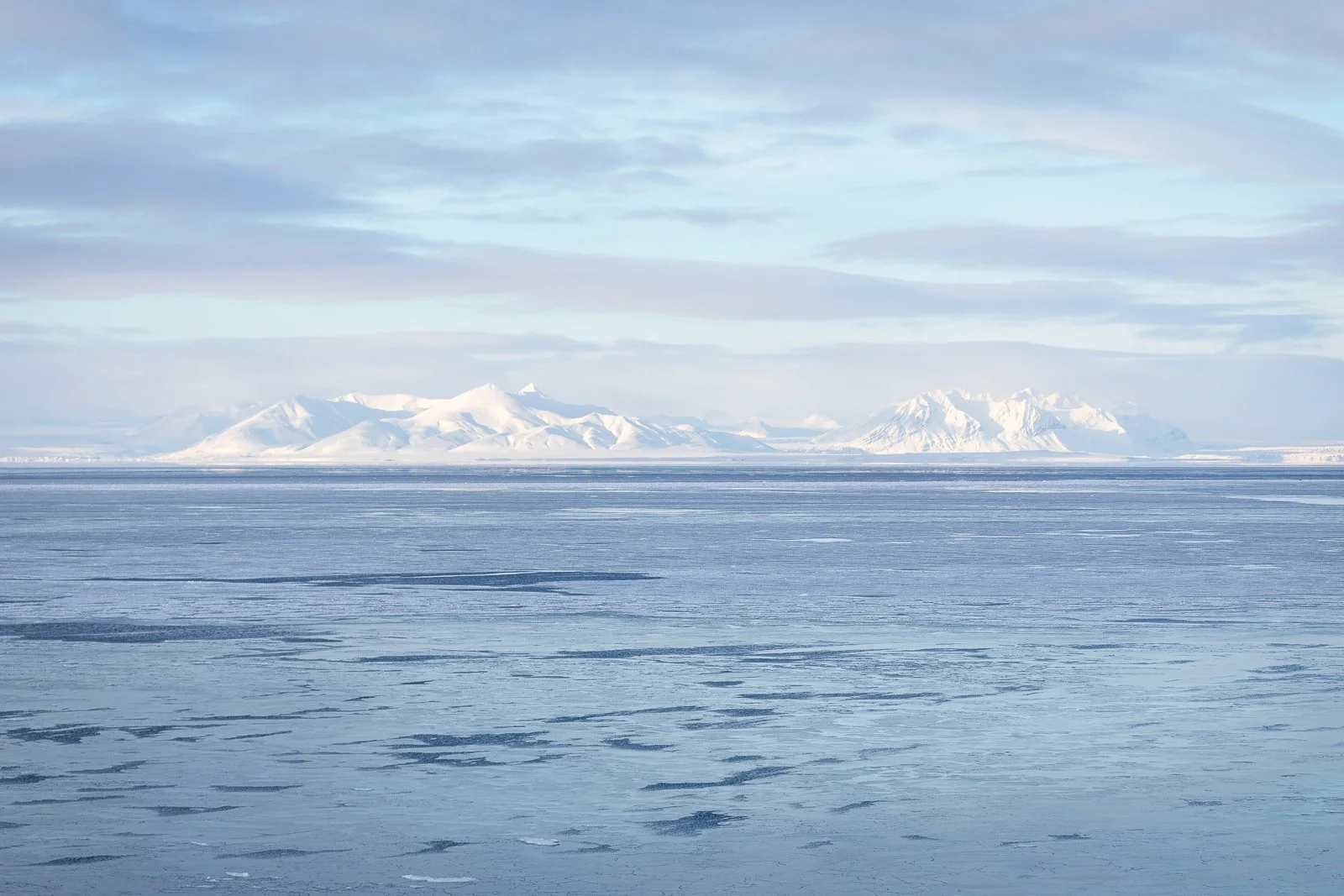
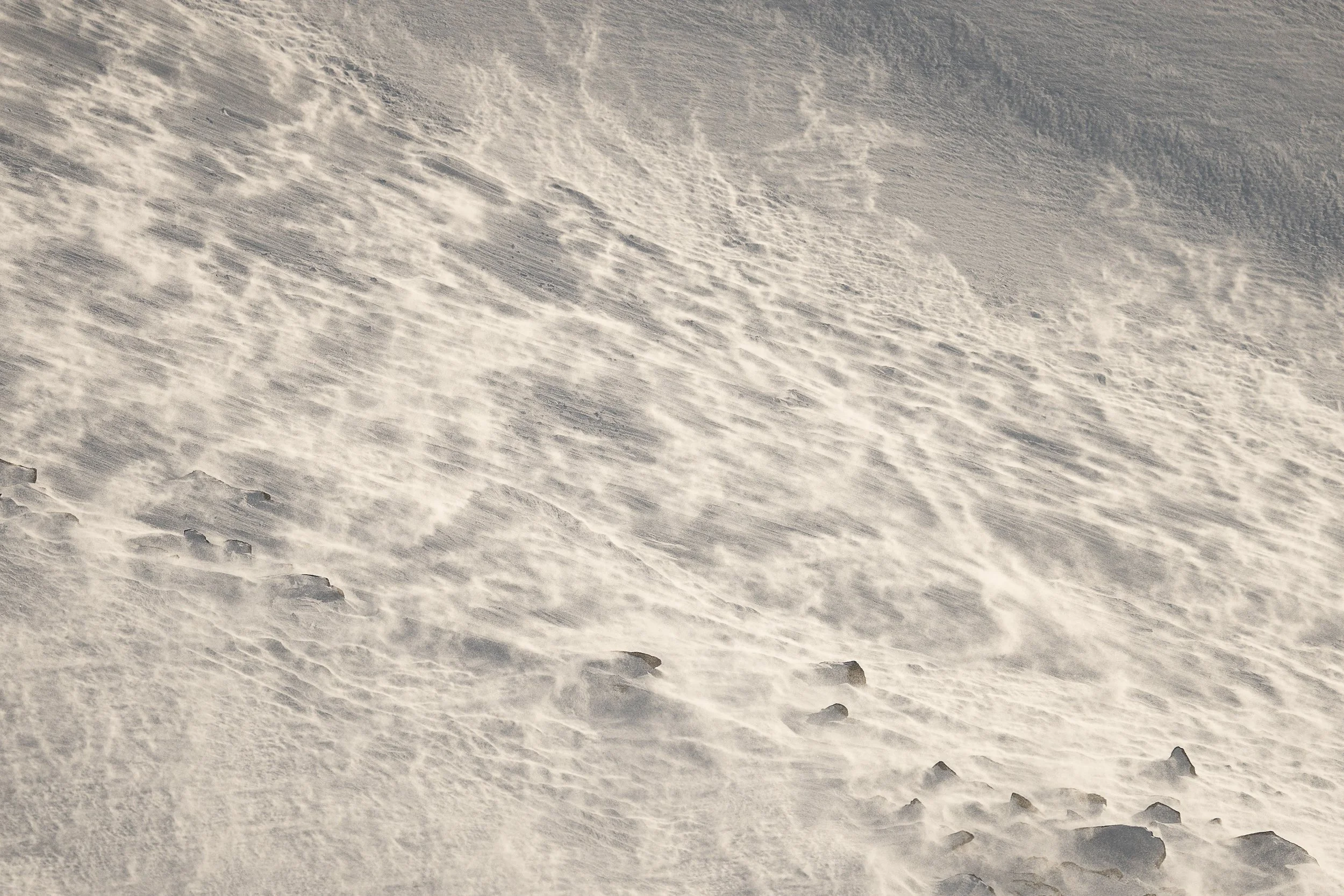
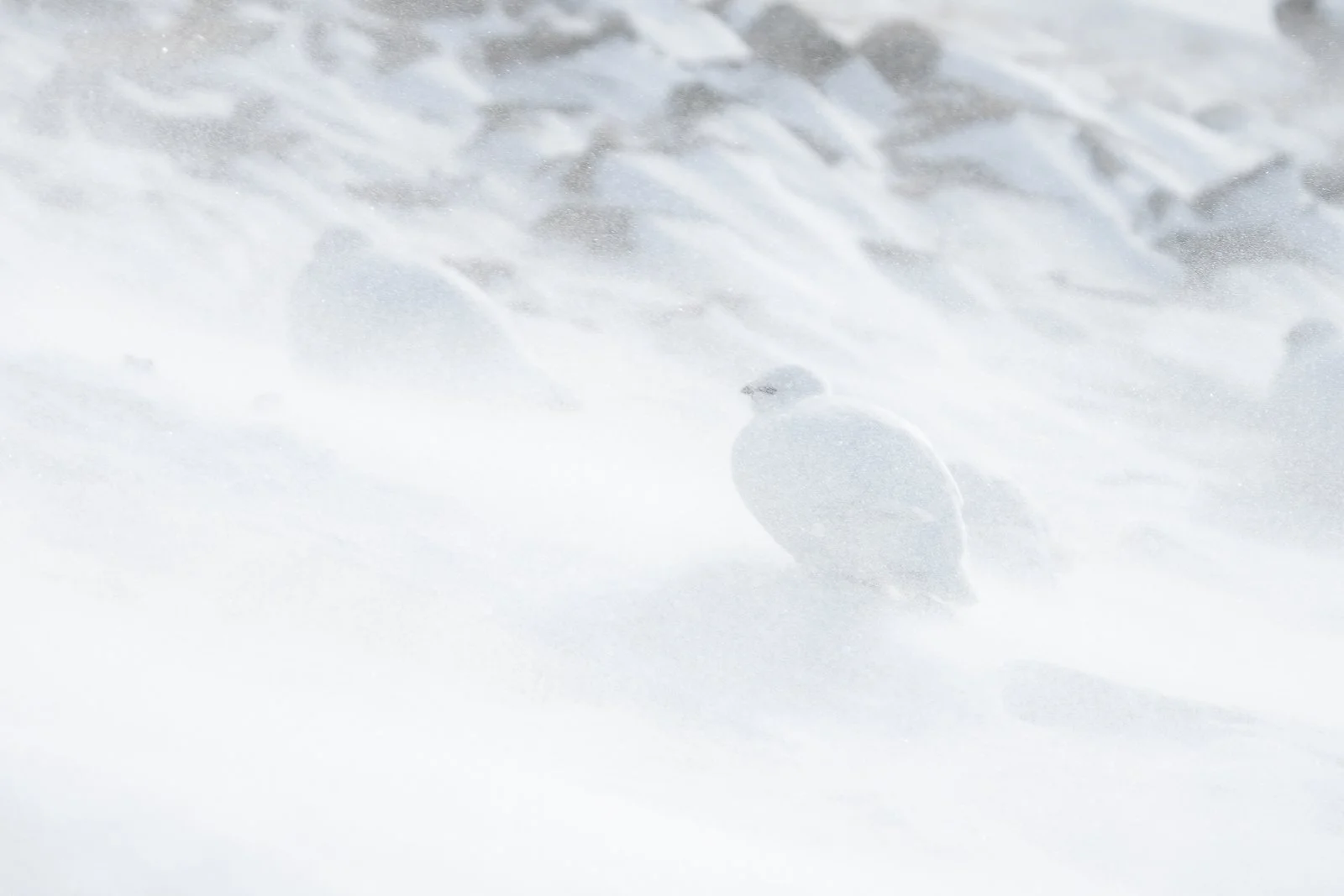
The light here changes everything. In winter, ice and snow smooth every edge, giving a heavenly feeling. But heaven can quickly turn into hell if you are not well prepared. Channeling katabatic winds from the +1000 m in the vicinity, the weather in Bjørndalen, as in the rest of Svalbard, can change quickly. Only one birds stands those conditions during the winter in Svalbard: the rock ptarmigan. This is the biggest subspecies in the world; big fat reserves, feathered feet, and white camouflage are among the main weapons for the survival of this animal in the archipelago.
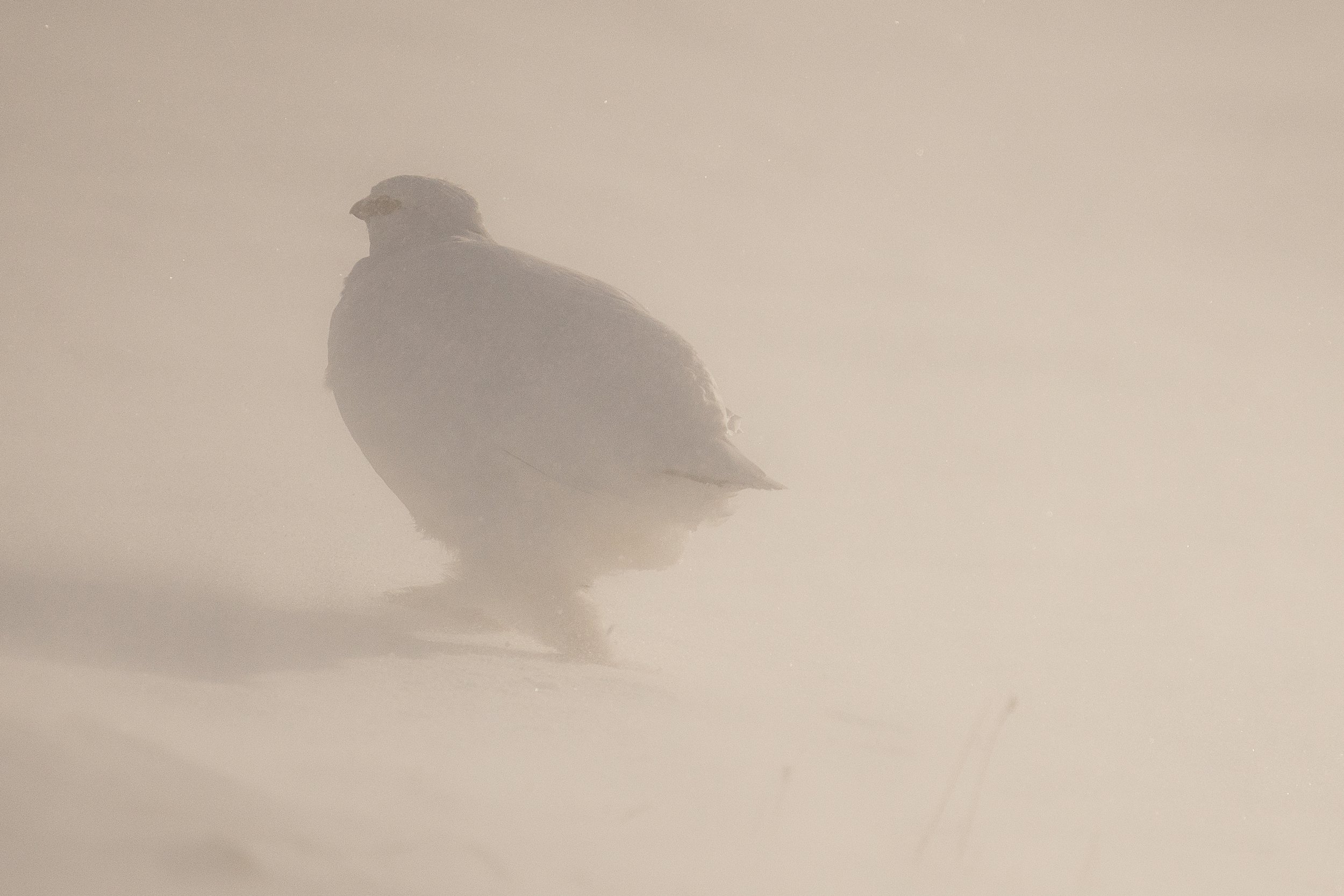

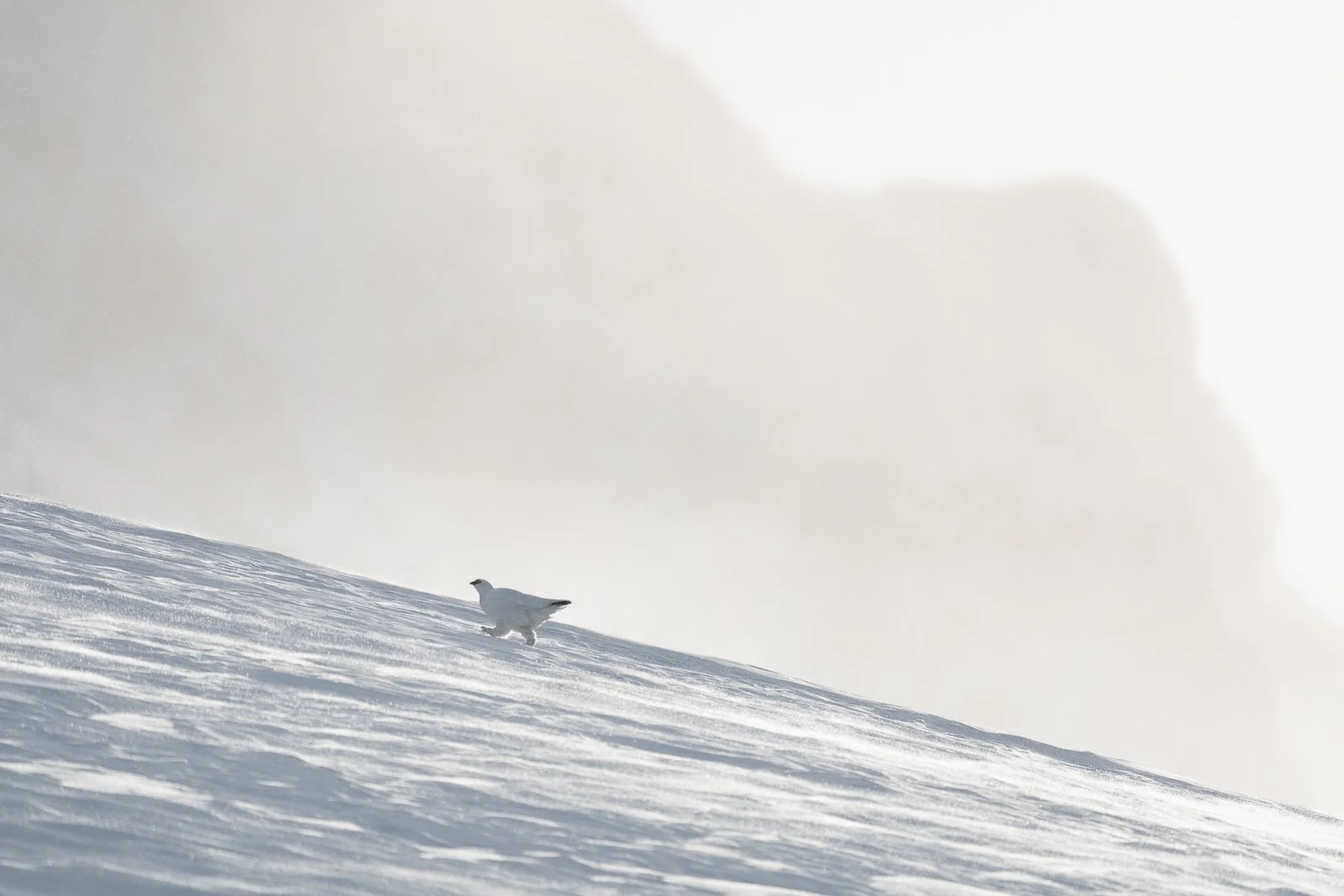
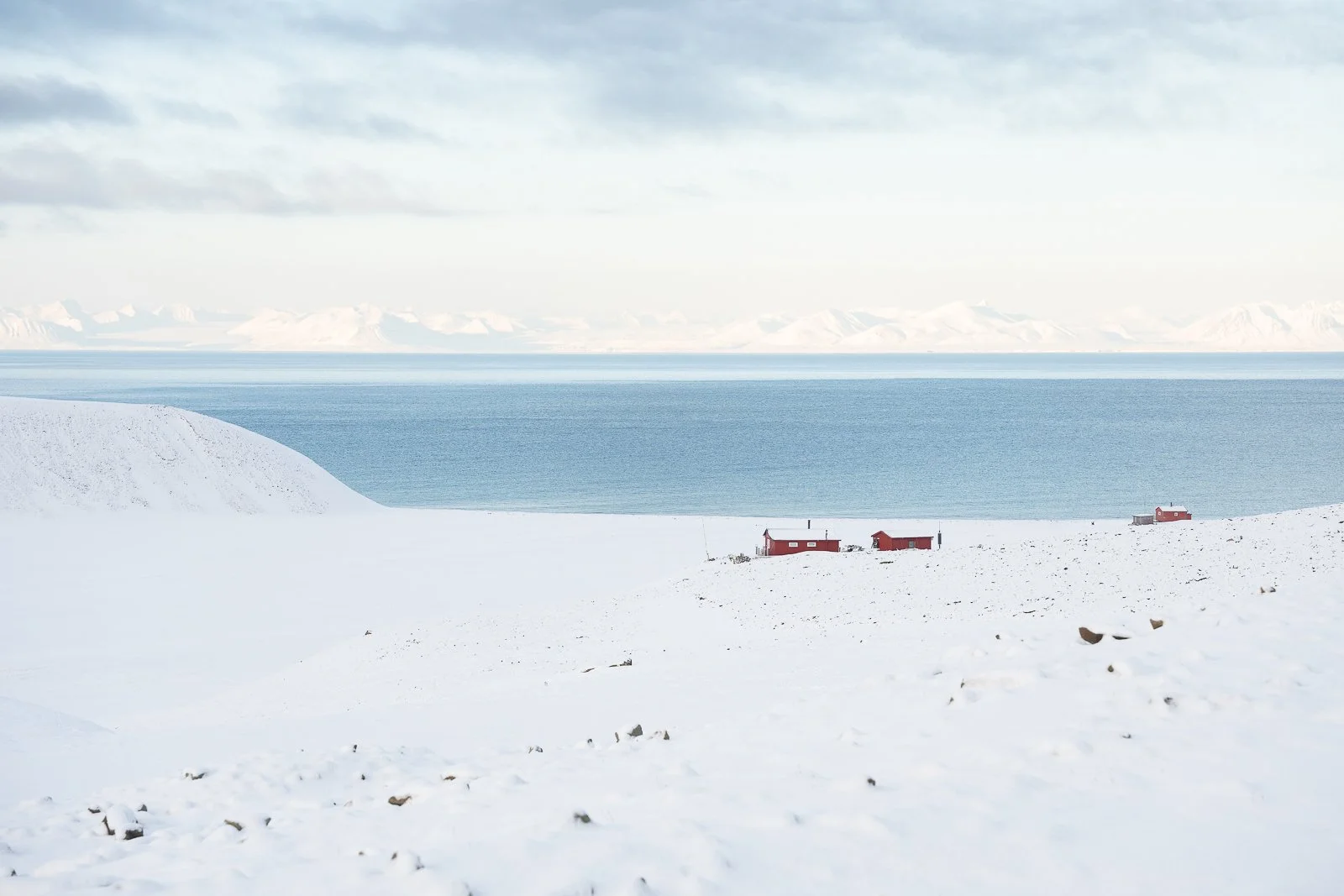
Few places let you stand this close to both the industrial history of Svalbard and its untouched wildlife in the same short walk. Bjørndalen is Longyearbyen's backyard wilderness, close enough for an afternoon, wild enough to feel like an expedition.
Do you like the story?